
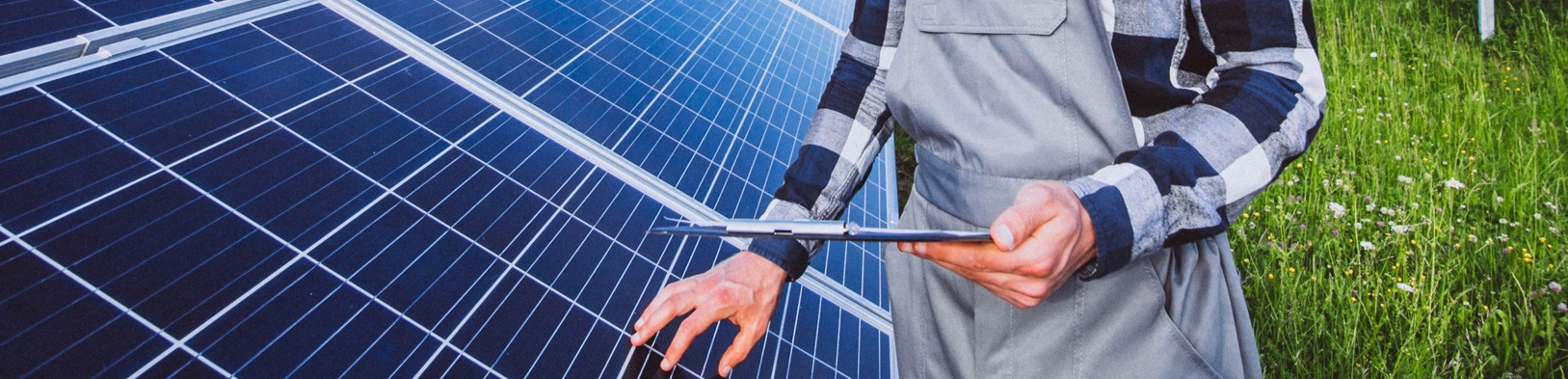
Have questions about going solar?
Our FAQ section covers everything Southwest Virginia homeowners and Eastern Tennessee businesses need to know about solar energy. From costs and tax incentives to how solar panels work and what to expect during installation, you’ll find clear, straightforward answers here. At Future Smart Energy, we want to make switching to clean, affordable power simple and stress-free.
What happens if it's cloudy?
Solar panels still generate solar energy even on cloudy or overcast days. At Future Smart Energy, we account for occasional storms and design your system to optimize energy production for Southwest Virginia homes and Eastern Tennessee businesses.
Do I qualify for solar energy tax credits and rebates?
Yes! Homeowners in Southwest Virginia and businesses in Eastern Tennessee can take advantage of federal solar tax credits as well as rebates from local utility companies, helping lower the cost of your solar energy system.
How much do I pay up front?
Nothing! If you qualify for our program, you will typically pay nothing up front and even get a year of free power!
What if the panels get damaged?
All of the solar equipment is under 25 year warranty as well and a workmanship warranty for your home!
How solar energy works?
Solar energy works by converting sunlight into electricity through solar panels. Each panel contains photovoltaic (PV) cells that capture sunlight and turn it into direct current (DC) power. An inverter then converts this into alternating current (AC), the type of electricity your home or business uses every day. With net metering programs in Southwest Virginia, homeowners can even send extra energy back to the grid for credits on their electric bills. For businesses in Eastern Tennessee, solar systems provide reliable power and access to valuable tax incentives, making solar both cost-effective and sustainable.
Why is solar energy good?
Solar energy is good because it provides clean, renewable power that reduces dependence on fossil fuels and lowers monthly energy bills. For homeowners in Southwest Virginia, solar panels can save money through net metering programs that credit extra power sent back to the grid. For businesses in Eastern Tennessee, solar offers valuable federal tax incentives and long-term energy savings. By choosing solar energy, you are investing in a sustainable solution that benefits your wallet and the environment.

Do you have additional questions
and/or concerns?
Please don't hesitate to contact us. We would love to hear from you!
GET IN TOUCH